10 Ways to Say “It’s Okay”
Have you ever felt stuck using the same phrase, “It’s okay,” when someone apologizes or thanks you? While simple is fine, a fluent speaker has many options! We’ll show you 10 Ways to Say “It’s Okay” so you can respond naturally, whether you are reassuring a friend or accepting an apology in a professional setting. Mastering these phrases instantly makes you sound friendlier and more confident in English conversations.
Flexible Ways to Respond When Someone Says ‘Sorry’ or ‘Thank You’
Knowing how to accept an apology or dismiss a thank-you note is essential for everyday English. These phrases are flexible and can be used in many situations to show that you are relaxed and understanding.
Casual and Common Alternatives (Friends, Family, Minor Issues)
These expressions are perfect for everyday interactions. They tell the other person that their mistake was not serious or that their thank-you was unnecessary.
- No worries.
- Meaning & Use: This is a relaxed and friendly way to say “it didn’t bother me.” It works well for small mistakes or simple acts of help. This phrase is very popular in Australia and the US.
- Example: “Thanks for waiting ten minutes for me.” → “No worries, I just got here myself.”
- That’s alright.
- Meaning & Use: A very gentle and common phrase. It tells the other person, “I accept your apology and it’s completely fine.” It’s slightly softer than No worries.
- Example: “I’m sorry I accidentally took your pen.” → “That’s alright, I have plenty.”
- No problem.
- Meaning & Use: Means that the request or favor was easy for you to do. Use this primarily as a response to thank yous. While common, try to use the other options below to avoid repetition.
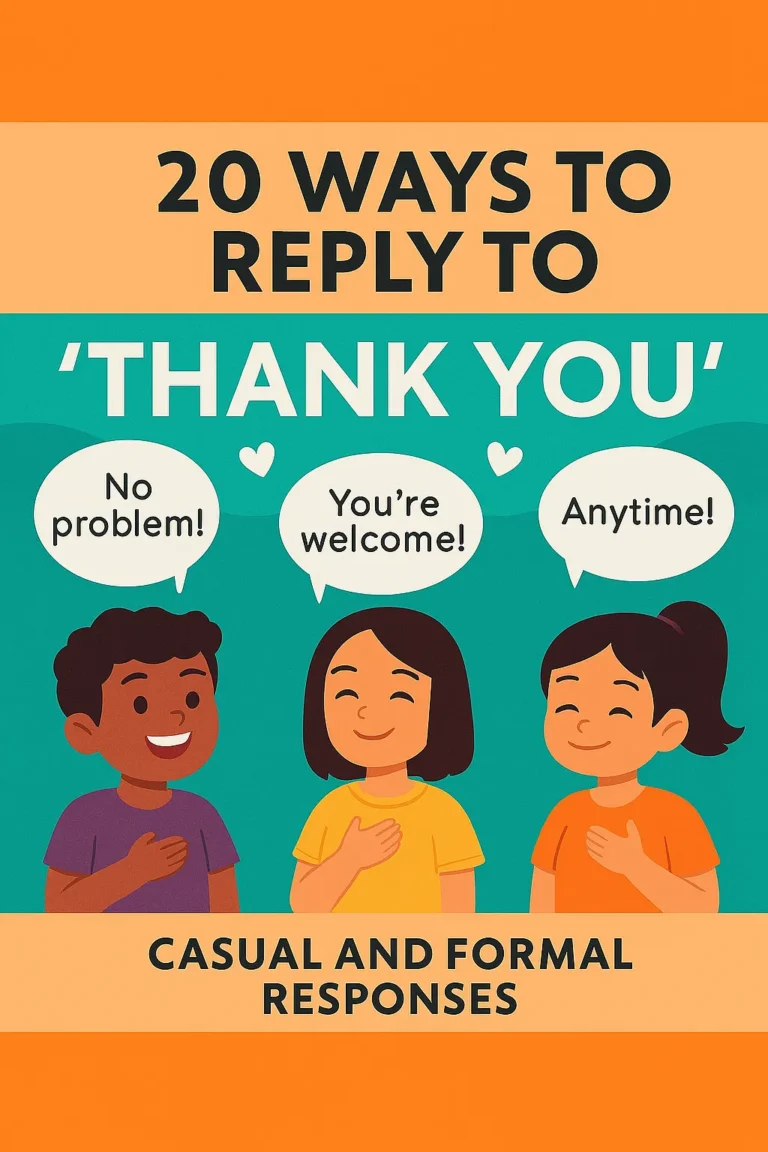
- Example: “Could you carry this box for me?” → “No problem!“
- Don’t mention it.
- Meaning & Use: A polite way to say “you don’t need to thank me.” It suggests that the favor was so small, it doesn’t deserve a thank you. Only use this when responding to thank yous.
- Example: “Thank you for the wonderful meal.” → “Don’t mention it, I’m happy you enjoyed it.”
Reassuring and Encouraging Responses (Bigger Mistakes, Showing Empathy)
Use these phrases when someone is genuinely upset or has made a noticeable mistake. They offer comfort and let the person off the hook immediately.
- It happens.
- Meaning & Use: This phrase minimizes the severity of a mistake by saying “everyone makes this error.” It’s very comforting for someone who is feeling embarrassed.
- Example: “I completely forgot about our dinner plans last night.” → “It happens. We can reschedule for tomorrow.”
- I understand.
- Meaning & Use: This shows deep empathy. You are not just dismissing the apology; you are validating their reason for the mistake or delay. This is great for professional or personal situations.
- Example: “I couldn’t finish the assignment, I’ve been feeling unwell.” → “I understand. Please take the time you need.”
- Forget about it.
- Meaning & Use: A strong and definitive way to dismiss an apology. It means you want the person to stop worrying about the mistake completely. It sounds very generous.
- Example: “I feel terrible for damaging your bike wheel.” → “Forget about it. I can easily get it fixed.”
Polite and Slightly More Formal (Workplace, Strangers, Older People)
These are great for professional settings or when you want to be extra polite to someone you don’t know well.
- There’s no need to apologize.
- Meaning & Use: Very direct and polite. Use this when the mistake was minor, or if the situation was outside of their control (like a traffic delay).
- Example: “I am so sorry for arriving three minutes late.” → “There’s no need to apologize; we just started.”
- It’s quite all right.
- Meaning & Use: A very formal, polite, and sometimes slightly old-fashioned way of saying “it is completely fine.” Use this with clients, managers, or people you want to show great respect to.
- Example: “I apologize for the confusion regarding the dates.” → “It’s quite all right. We have clarified the details now.”
- Consider it done.
- Meaning & Use: This is not a response to an apology, but a highly effective, polite response to a request. It confirms that you will do the task easily and without trouble.
- Example: “Can you please email me the notes before you leave today?” → “Consider it done.”
Using these 10 Ways to Say “It’s Okay” can improve your social interactions immediately by providing you with the right phrase for the right context.
Dialogues: Hearing the Phrases in Action
Watch how these phrases change the tone of a conversation:
Dialogue 1 (Casual Apology)
- Anya: “Sorry, I grabbed your coffee mug by mistake!”
- Dev: “No worries. It happens! Here’s yours.”
Dialogue 2 (Thank You)
- Marcela: “Thank you for taking the time to explain the new software to me.”
- Robert: “Don’t mention it. I’m happy to help you get started.”
Dialogue 3 (Professional Mistake)
- Mr. Singh: “I sincerely apologize for the error in last month’s invoice.”
- Ms. Lee: “It’s quite all right. We noticed the mistake and corrected it on our end.”
Quick Tips for Practical Use
- Match the Tone: The phrase you use should always match your relationship with the person. Use It happens with friends, but I understand or There’s no need to apologize in a more professional setting.
- The Power of “No Problem”: While No problem is excellent, try not to overuse it. If you always use it, it can sound like you expected a problem! Switch to That’s alright for variety.
- Body Language Matters: A gentle smile and a relaxed tone of voice make any phrase sound more sincere and encouraging.
- By learning these 10 Ways to Say “It’s Okay”, you can instantly match your language to the situation, making your English sound more natural, thoughtful, and fluent.
Now you have 10 Ways to Say “It’s Okay”! Try using That’s alright or No worries today instead of your usual phrase. Practice makes perfect, and you’ll start responding to thanks and apologies with much greater variety and confidence!